1989: Jiang Zemin Named China's New Leader
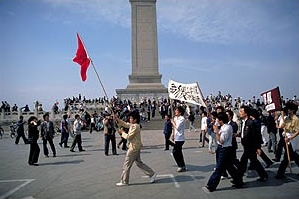
On June 24, 1989, the Chinese Communist Party's 13th Central Committee appointed Jiang Zemin as general secretary, the nation's top political position. The move came three weeks after tanks rolled into Tiananmen Square on the night of June 3-4, crushing weeks of student-led pro-democracy protests that had drawn hundreds of thousands of demonstrators to the heart of Beijing. Jiang, 62, a former Shanghai mayor and electrical engineer by training, replaced Zhao Ziyang, who had sympathized with the protesters and lost his position in the upheaval. The appointment marked the beginning of what would become a 13-year tenure at the helm of the world's most populous nation.

The students and workers who filled Tiananmen Square from mid-April through early June 1989 had demanded greater political freedoms and an end to corruption. For weeks, the government attempted negotiations, but as the crowds swelled and calls for democracy grew louder, hardliners in Beijing's leadership prevailed. Martial law was declared in late May, and on June 3-4, the People's Liberation Army moved in with troops and armored vehicles, resulting in deaths estimated in the hundreds or thousands, depending on the source. The international outcry was immediate and severe: Western nations condemned the crackdown, and China faced sanctions and isolation.

Jiang Zemin's selection represented the party's desire for a compromise figure, someone neither as reformist as Zhao nor as rigidly dogmatic as some elders. He inherited a nation scarred by bloodshed and international criticism, yet managed to navigate economic liberalization while maintaining Communist Party control. His appointment proved far more consequential than observers initially expected. Jiang would oversee China's rapid economic growth through the 1990s and early 2000s, overseeing its entry into the World Trade Organization in 2001 and presiding over the return of Hong Kong from British rule. Though the Tiananmen crackdown remained a taboo subject in mainland China, Jiang's pragmatic approach to economic policy would help transform the nation into a global economic power.