2010: Julia Gillard becomes Australia's first female PM

On June 24, 2010, Julia Gillard was sworn in as Australia's 27th Prime Minister, making history as the first woman to hold the office. The transition came swiftly after incumbent Kevin Rudd announced he would not contest a leadership ballot within the Labor Party that morning. Gillard, who had served as Deputy Prime Minister since 2007, claimed the top job with the support of her caucus colleagues in a decisive party vote. Her appointment marked a watershed moment for Australian politics and demonstrated the dramatic shifts that can occur within Westminster parliamentary systems when party leadership is challenged.
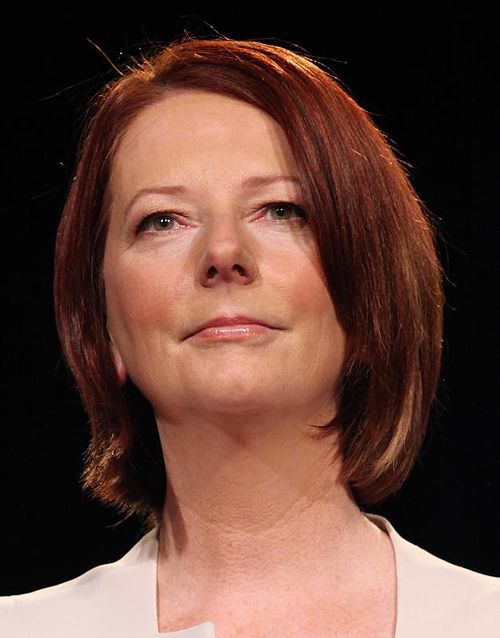
The circumstances leading to Gillard's ascension were rooted in mounting frustration within Labor ranks over Rudd's leadership style and falling poll numbers. Rudd, who had been Prime Minister since 2007, faced criticism for his handling of key policy initiatives and his relations with senior ministers. When Labor powerbrokers determined that a leadership challenge was necessary to salvage the party's electoral prospects ahead of the 2010 federal election, Gillard emerged as the preferred alternative. Born in Wales and raised in Adelaide, Gillard had built a reputation as a capable administrator and skilled political operator during her time as Deputy Prime Minister, Health Minister, and Education Minister.

Gillard's appointment was celebrated internationally as a significant achievement for women in politics, though her tenure would prove tumultuous. She inherited a fractious Labor government and faced immediate challenges including a hung parliament after the federal election just weeks away. Despite her historic breakthrough, Gillard served only three years as Prime Minister before being challenged and removed by Rudd in 2013. Nevertheless, her 2010 appointment shattered a gender barrier in Australian politics and demonstrated that women could reach the highest executive offices in the country's government.