1976: First Ebola outbreak emerges in Sudan

In June 1976, a mysterious and devastating illness began spreading through Nzara, a small town in South Sudan. A worker at a cotton factory fell ill with sudden fever, severe muscle pain, and headache. Within days, others around him developed identical symptoms, followed by vomiting, diarrhea, and catastrophic internal bleeding. Doctors had no name for the disease and no way to stop it. The outbreak would ultimately claim 284 lives across Sudan, with a mortality rate of 53 percent. It was humanity's first documented encounter with what would become known as Ebola virus disease.

The virus itself almost certainly originated in animals, jumping to humans through contact with infected wildlife, though the exact animal reservoir remained a mystery then and largely remains one now. The 1976 Sudan outbreak occurred simultaneously with an even deadlier one in Zaire (now the Democratic Republic of Congo), where the virus killed 318 of 318 identified cases. These twin epidemics revealed a pathogen of terrifying speed and lethality. The incubation period ranged from 2 to 21 days, meaning infected people could spread the virus unknowingly before symptoms appeared. Once symptoms began, death often followed within 6 to 16 days through catastrophic shock from fluid loss.
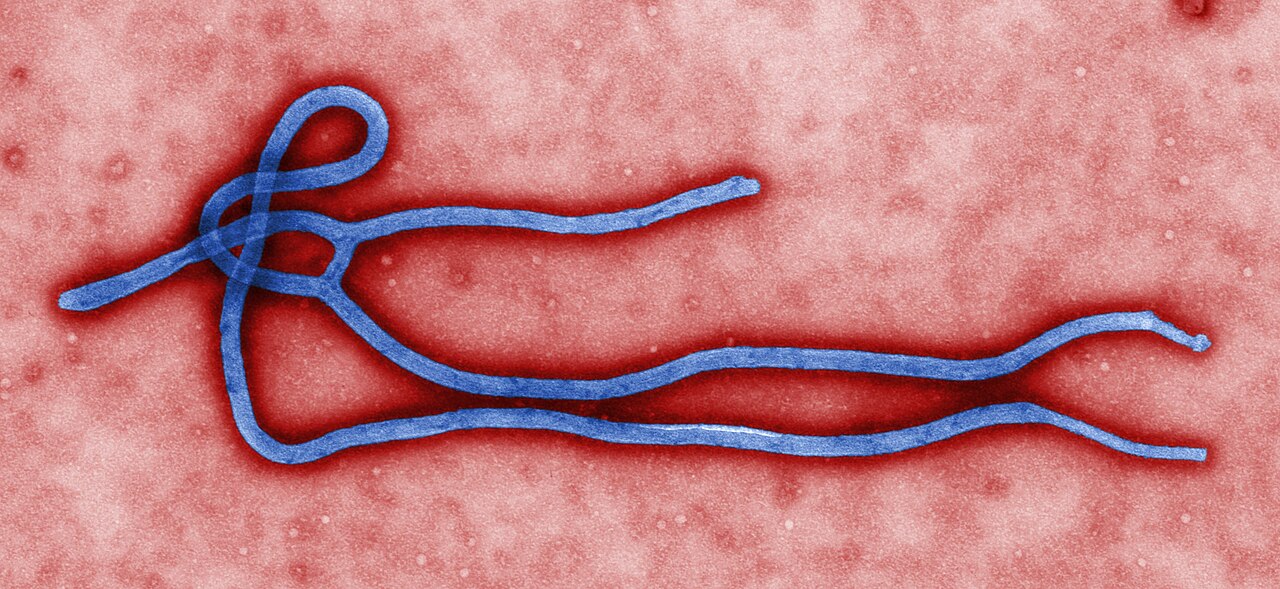
The outbreaks were contained through basic isolation measures: quarantining the sick, using protective equipment with healthcare workers, and careful handling of the dead. But this only highlighted how fragile protection was against an unknown enemy. The virus disappeared as mysteriously as it arrived, vanishing back into whatever animal population harbored it. Yet the 1976 Sudan and Zaire outbreaks established Ebola as a permanent hazard of human civilization. These first cases, investigated by scientists racing against time, would define emergency virology for decades and spawn countless studies into hemorrhagic fevers. The very name Ebola came from a river in Zaire, chosen to avoid stigmatizing the town of Nzara where it first emerged. What happened in Sudan in 1976 was not just a medical catastrophe but the beginning of our long, difficult relationship with one of nature's deadliest viruses.