1995: Atlantis Docks With Russian Mir Station

On June 29, 1995, Space Shuttle Atlantis pulled alongside the Russian space station Mir, 250 miles above Earth, and locked its docking mechanism into place. The orbiter carried astronaut Norman Thagard, who had launched to Mir aboard a Soyuz rocket three months earlier, plus fresh supplies and two Russian cosmonauts returning home. For the first time since the Space Race of the 1960s, American and Soviet spacecraft were physically connected in orbit, marking a symbolic end to decades of Cold War competition in space.

The Shuttle-Mir program grew from a 1992 agreement between NASA and Russia's space agency to share resources and expertise. The collapse of the Soviet Union two years earlier had left Russia's once-dominant space program scrambling for funding; collaborative missions offered both nations scientific value and financial relief. Atlantis, which had first flown in October 1985 as the fourth operational orbiter, was selected as the flagship of this new partnership. Mission STS-71 lasted eleven days and established a docking port configuration that subsequent shuttle flights would refine over the program's five-year run.
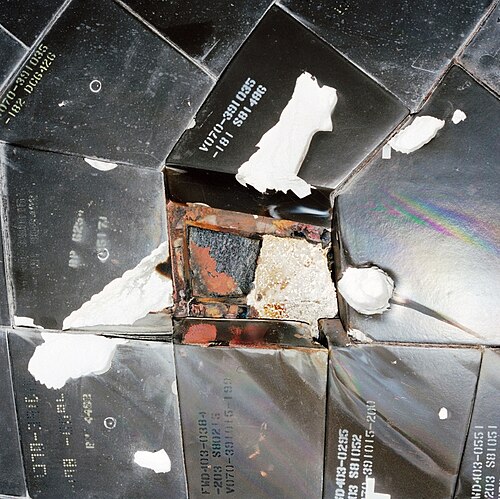
The docking required extraordinary precision. Atlantis approached Mir at a closing speed of just 0.1 meters per second, guided by Shuttle pilot Terence Wilcutt and Commander Robert Gibson. Once secured, the crews transferred supplies, equipment, and personnel through an airlock. Thagard, who had spent 115 days aboard Mir, handed over his role to two fresh cosmonauts. The symbolic power was immediate and global: photographs of the linked spacecraft circled the world as proof that former adversaries could work together in the cosmos.

This mission opened a door that would remain open for over a decade. Between 1995 and 2998, American shuttles docked with Mir eleven times, ferrying supplies and rotating crew members. The partnership generated invaluable data for both nations and paved the way for the International Space Station, the joint American-Russian-European project launched in 1998. Atlantis itself would eventually retire in 2011 after 33 missions, but that June morning in 1995 when two rival superpowers clasped hands above the planet remains one of spaceflight's most defining moments.