1960: Belgian Congo declares independence

On June 30, 1960, the Belgian Congo became an independent nation after 52 years of colonial rule. The transition happened with stunning speed: Belgium's King Baudouin and Prime Minister Wilfried Martens presided over independence ceremonies in Leopoldville (now Kinshasa) as thousands cheered. Patrice Lumumba, the Congo's first Prime Minister, gave an impassioned speech condemning Belgian exploitation while Joseph Kasa-Vubu became president. Within days, however, the dream fractured. The Congolese army mutinied against its Belgian officers on July 5, soldiers attacked European settlers, and the mineral-rich Katanga province declared secession under Moise Tshombe. Belgium rushed paratroopers back into the country, claiming they were protecting civilians but effectively reasserting control.
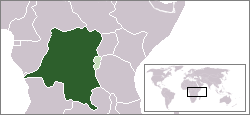
The Congo's colonial experience had left it catastrophically unprepared for self-rule. Belgium had invested almost nothing in educating Congolese citizens for leadership: at independence, the colony had produced exactly three university graduates among 14 million people, and no Africans held senior administrative posts. The rapid decolonization came partly from international pressure and partly from Belgium's own desire to exit quickly, but it created a power vacuum that regional strongmen and Cold War rivals rushed to fill. The United Nations intervened in August, but the chaos deepened when Lumumba was imprisoned and then murdered in January 1961, likely with CIA and Belgian connivance.

Out of this rubble rose Joseph-Désiré Mobutu, a military officer who seized power in November 1965 and would rule for 32 years as a dictator. The Congo's independence, initially a triumph of African liberation, became a cautionary tale about the dangers of premature decolonization without institutional preparation. The country's vast diamond, copper, and cobalt wealth was looted rather than developed. Today's Democratic Republic of the Congo still struggles with the legacy of that violent transition: state institutions remain weak, corruption endemic, and regional militias active across vast territories. The 1960 independence that was meant to liberate Africa's second-largest nation instead became the beginning of a tragedy that would cost millions of lives.