2013: Boeing 777's First Fatal Crash in San Francisco

On July 6, 2013, Asiana Airlines Flight 214, a Boeing 777-200ER carrying 307 people from Seoul to San Francisco, struck a seawall short of the runway during its final approach to San Francisco International Airport. The aircraft's tail struck the rocky seawall at Runway 28L, tearing away the tail section and sending the fuselage skidding across the runway. Three passengers died, all seated in the rear of the aircraft where the tail impact was most severe. Dozens more were injured in what became the first fatal accident involving the Boeing 777 in its 18-year operational history, despite the aircraft's safety reputation.

The Boeing 777, nicknamed the Triple Seven, was developed by Boeing in the early 1990s as a wide-body jetliner to fill a gap between the smaller twin-engine 767 and the massive four-engine 747. The aircraft first flew in 1994 and entered commercial service with United Airlines in 1995. By 2013, over 2,300 Boeing 777 aircraft had been ordered worldwide across more than 70 operators, making it the world's largest twinjet and the most-built wide-body airliner in commercial aviation. The aircraft was renowned for its reliability and safety record during nearly two decades of operation.

Investigators determined that Asiana Flight 214 was descending too steeply and too slowly on approach to San Francisco. The pilots had failed to properly configure the aircraft and did not adequately monitor the descent profile, allowing airspeed to drop below safe thresholds. The flight's autopilot and autothrottle systems had been disconnected, placing full control on manual flight. As the 777 descended below the seawall, its landing gear could not fully slow the aircraft, and the tail struck the rocky terrain with catastrophic force. Of the 307 people aboard, 182 were injured.
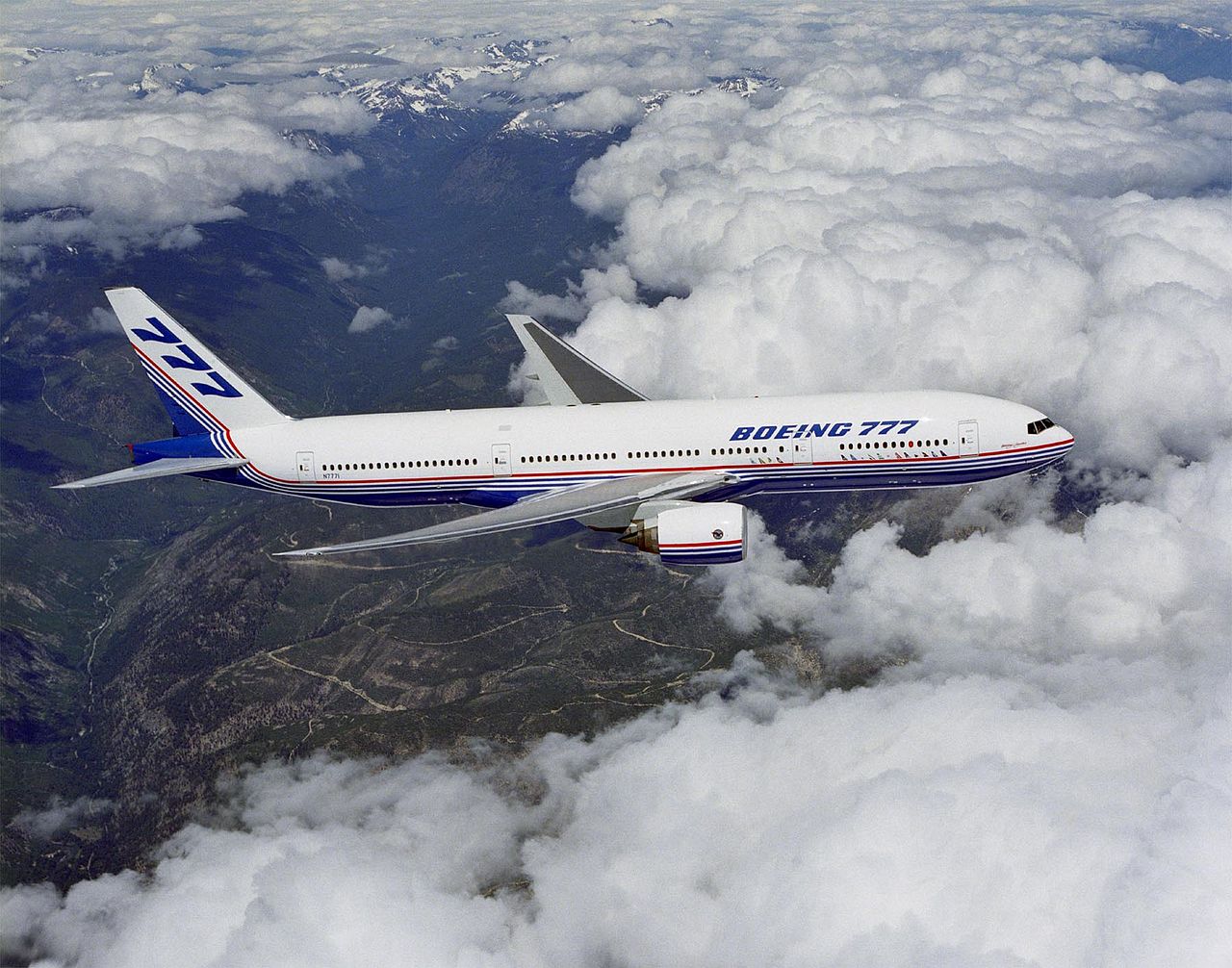
The crash marked a sobering milestone for one of aviation's most reliable aircraft. Yet the relatively modest death toll underscored the 777's structural robustness: the fuselage remained largely intact despite the violent tail strike, and sophisticated safety systems allowed most passengers to evacuate successfully. The accident prompted renewed focus on pilot training procedures and approach monitoring standards across global airlines, while the Boeing 777 continued its record of safe operations for the years that followed.