1982: Intruder Reaches Queen's Bedroom

On July 9, 1982, Michael Fagan, a 31-year-old unemployed painter and decorator from London, scaled the walls of Buckingham Palace and made his way through unlocked corridors to the private quarters of Queen Elizabeth II. He found her asleep in her bed around 7:15 a.m. and stood there for several minutes before she woke. The Queen remained remarkably composed, engaging Fagan in conversation and pressing an alarm button that summoned footmen to apprehend him. He was arrested without incident, having caused no physical harm to the monarch.

The breach exposed alarming gaps in palace security during an era when the institution had grown complacent. Fagan had actually entered the palace once before, two months earlier, also undetected. On this second intrusion, he climbed over the perimeter fence near Constitution Hill, navigated across the roof, and discovered an open window leading inside. Palace staff had been reduced on the night shift due to budgetary constraints. Once inside, he simply walked through corridors lined with priceless artworks, passing within feet of sleeping guards. The fact that he reached the Queen's private bedroom unchallenged stunned the nation and raised urgent questions about royal protection.
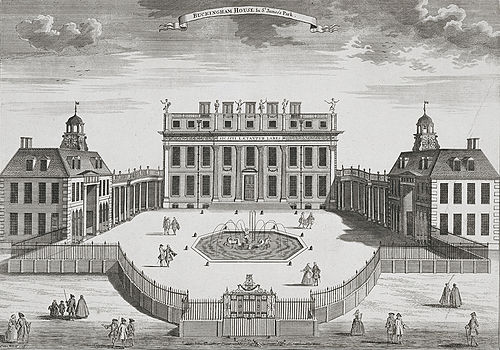
The incident became a watershed moment in British security procedures. It demonstrated that even the most heavily symbolized institution could be vulnerable to determined, if mentally unstable, intruders. Fagan was initially held under the Mental Health Act but was later charged with burglary. He served only four months of his sentence before release. The Palace subsequently implemented sweeping security reforms, including better lighting, alarm systems, and staffing protocols. The episode also revealed uncomfortable truths about social inequality: Fagan had broken in partly out of desperation, having been unemployed and struggling with personal crises. While the incident terrified the Royal Family and scandalized British newspapers, it ultimately modernized security at what remains the symbolic heart of the British monarchy and a focal point for state occasions and national identity.