Seventy-two Days in the Andes: Survival Against Impossible Odds

On October 13, 1972, a Fairchild FH-227D aircraft carrying 45 people crashed high in the Andes mountains between Chile and Argentina, and what followed became one of history's most extraordinary survival stories. The inexperienced co-pilot, Lieutenant-Colonel Dante Héctor Lagurara, made a fatal navigational error: he believed the plane had already passed Curicó, the turning point for descent into Santiago, when instruments showed he was still 60 to 69 kilometers away. As the aircraft broke through the clouds, Lagurara spotted a mountain directly ahead and desperately tried to climb, but it was too late. The plane struck a mountain ridge at tremendous speed, shearing off both wings and the tail. The fuselage tumbled down a glacier at 350 kilometers per hour, dropped 725 meters, and finally crashed into a wall of ice and snow, coming to rest at 3,660 meters elevation in one of Earth's most remote and hostile places.

Among the 45 passengers and crew were 19 members of the Old Christians Club rugby union team from Uruguay, along with their families, friends, and supporters. Twelve people died in the initial impact and the hours immediately after, killed by the collision itself or by the extreme cold that plunged below freezing at night. The wreckage lay in deep snow that camouflaged the white fuselage so completely that search and rescue planes flew directly over the crash site multiple times without spotting it. After eight days of searching, authorities gave up hope and called off the rescue effort. As far as the world knew, everyone on Flight 571 had perished.

But 33 people survived the crash itself, and they faced an almost unimaginable ordeal. Stranded at 12,020 feet in the Andes with minimal food supplies, inadequate clothing, and no way to contact the outside world, the survivors endured 72 days of subfreezing temperatures, starvation, and devastating weather. On November 15, just over a month into their ordeal, an avalanche swept through their camp and killed eight more people, including several who had survived the initial crash. As their bodies lay preserved in the snow around them and hunger became unbearable, the survivors made the agonizing decision to eat the flesh of the dead to stay alive. This choice, born of absolute desperation, allowed them to live long enough to be rescued.

Three survivors refused to wait passively for rescue that would never come. On December 12, nearly two months after the crash, Nando Parrado, Antonio "Tintin" Vizintín, and Roberto Canessa set out across the snow-covered mountains seeking help. The journey was brutally difficult: they had no maps, no proper equipment, and faced terrain that seemed endless. After three days, the group realized they would not all make it, and they sent Tintin back to conserve food for the other two. Parrado and Canessa pushed forward alone through the mountains, sustained by willpower and the knowledge that their friends depended on them. On December 21, nine days after leaving camp, they spotted a man on horseback: Sergio Catalán, a Chilean farmer. Catalán brought help, and on December 22 and 23, rescue helicopters finally reached the crash site and lifted out the remaining 14 survivors.
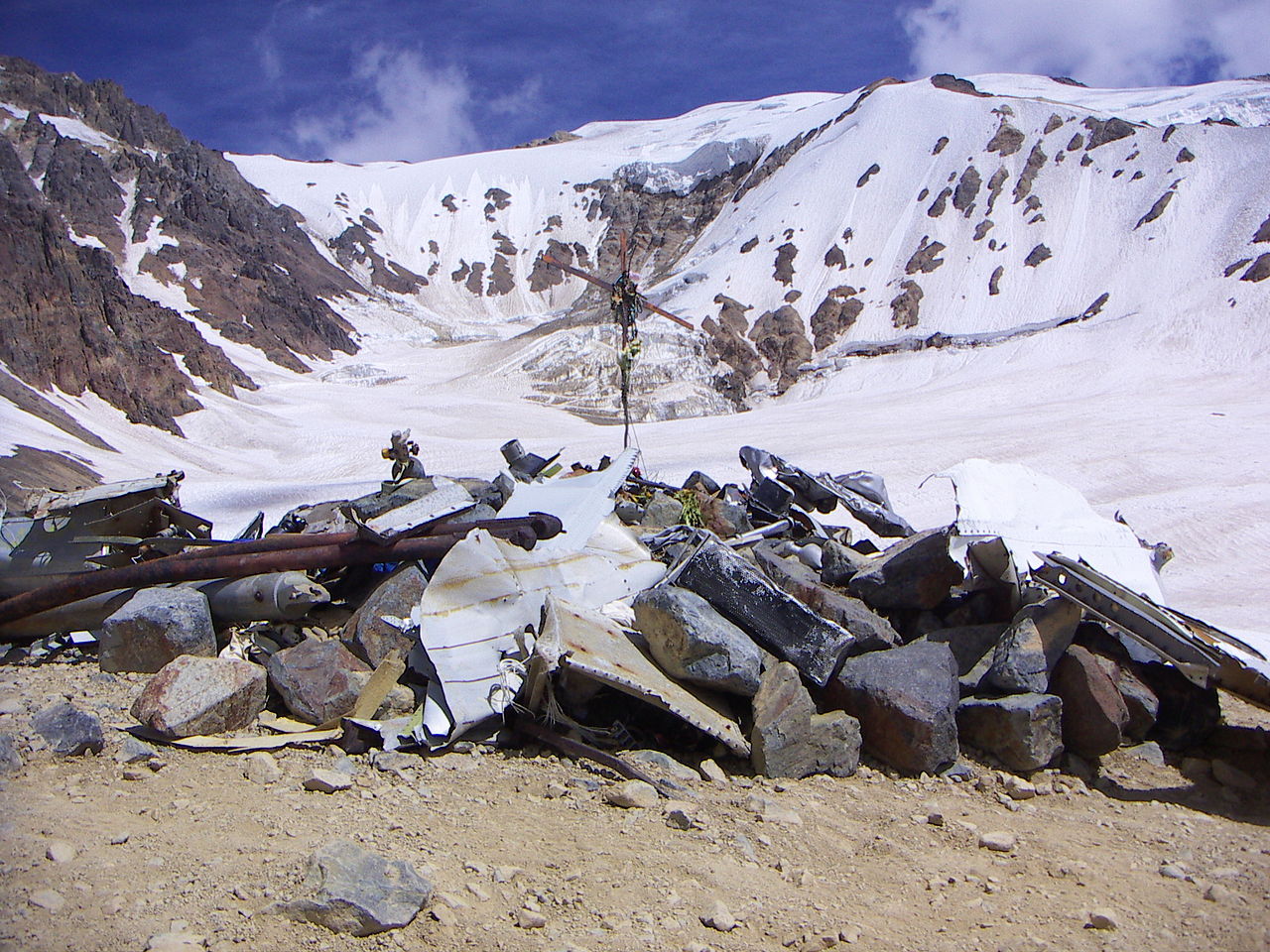
The rescue of Flight 571's survivors made worldwide headlines and became a powerful testament to human resilience. Of the original 19 rugby players on the flight, only seven walked away alive. The physician who traveled with the team perished, along with 11 team members. The survivors' story has been told in books, documentaries, and films, including the 1993 movie "Alive" and the 2023 Spanish-language film "Society of the Snow." Their ordeal revealed something profound about human survival: that under conditions most people would consider impossible, the human will to live can overcome seemingly insurmountable obstacles. The crash site remains one of the highest and most remote places where a commercial aircraft has ever come down, a place of death that became, against all odds, a place of extraordinary life.